SERVICES

Software & Integrations

Build beyond the limits of basic platforms.

Off-the-shelf software is often the fastest place to start. But as your business grows, the gaps become clear: key information is copied between systems, essential workflows happen outside the platform, reporting is unreliable or a legacy tool is holding the operation back.

Working with Australian businesses across every state and territory.

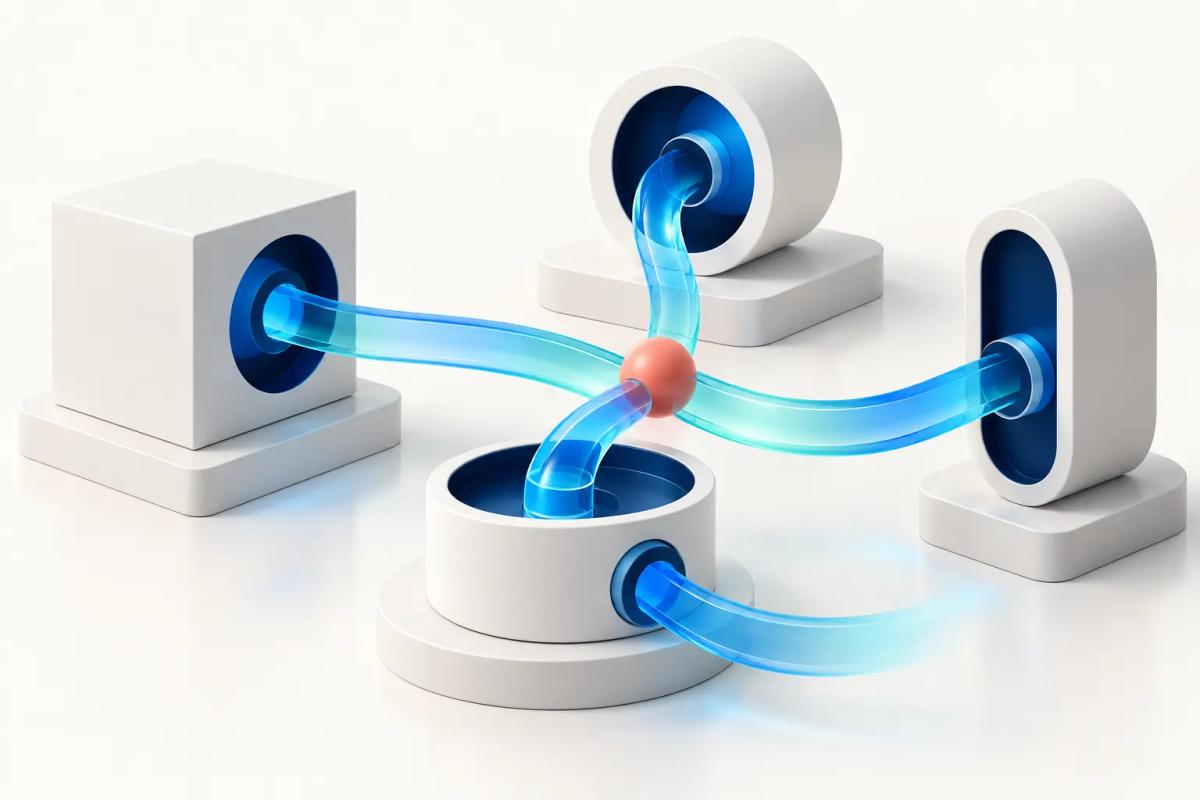
Abstract illustration of separate systems connected by a single ordered data path.

THE OPPORTUNITY

Custom tools and integrations for work that standard platforms cannot handle.

AIECOMSolutions designs and develops custom software, APIs and integrations that fit the way your business needs to work. We focus on solving a defined operational problem with a secure, maintainable solution—not building technology for its own sake.

We partner with Australian businesses across New South Wales, Victoria, Queensland, South Australia, Western Australia, Tasmania, the ACT and the Northern Territory. Our delivery approach is designed for distributed teams, with clear milestones, shared project visibility and practical support from discovery through to launch.

WHAT'S INCLUDED

What’s included

Custom Web Apps

Custom web applications give your team or customers a focused tool built around a specific job. That may be a client portal, operations dashboard, quoting tool, booking platform, workflow manager, resource library, estimator, reporting interface or self-service experience.

We start by defining the outcome, users, roles, data and core workflows. We then design the interface, build the application, test it with real scenarios and plan the next releases around what users need most.

Custom web app projects can include:

  • Discovery workshops and requirements definition
  • User roles, permissions and workflow design
  • UX/UI design for internal teams or customers
  • Responsive frontend and backend development
  • Dashboards, calculators, portals and reporting tools
  • Authentication, notifications and audit trails where required
  • Quality assurance, deployment and ongoing improvement roadmap
API Development

An API allows software systems to exchange information in a controlled, reliable way. It can power an integration between platforms, provide data to a customer portal or turn a useful internal capability into a reusable service.

We design APIs with clear purpose, secure authentication, sensible data models, useful documentation and reliable error handling. The objective is a connection your team can understand and maintain—not a fragile workaround.

API development can include:

  • API strategy and data-model design
  • Secure authentication and access control
  • REST or other appropriate API endpoints
  • Validation, logging, rate limits and error responses
  • Documentation for developers and system owners
  • Testing and monitoring setup

Third-Party Integrations

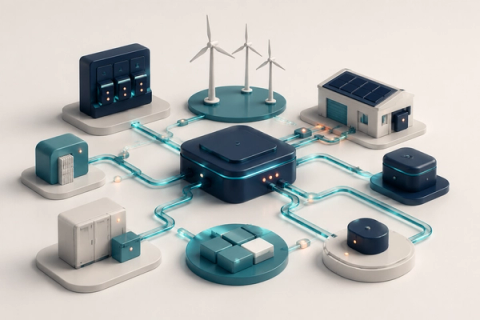
The best software stack is connected where it needs to be connected. We integrate the platforms that should share data or trigger actions, reducing duplicated work and improving accuracy across the business.

This might mean connecting a website to a CRM, synchronising orders with inventory, sending booking data to a project system, displaying finance data in an internal dashboard or joining a specialist platform to your existing operational tools.

Before building, we confirm what each system can do, what data should move, who owns it and how failures will be handled. That planning is what turns an integration into a dependable operational asset.

Integration work can include:

  • Platform and API capability review
  • Data and process mapping
  • Direct API, webhook or middleware connections
  • Secure credential and permission setup
  • Sync rules, retries, monitoring and exception handling
  • Data migration or clean-up support where required

Legacy Upgrades

Older systems can be business-critical even when they are difficult to use, maintain or integrate. Replacing them all at once can be risky. We help you create a safer path forward: understand what the system does, protect essential workflows, improve the highest-value areas first and modernise in manageable stages.

An upgrade might involve a new interface over existing data, APIs that connect a legacy database to modern tools, a gradual migration to a new platform or replacement of one manual module at a time.

Legacy-modernisation work can include:

  • Discovery of existing workflows, data and technical dependencies
  • Risk assessment and phased upgrade roadmap
  • Database, reporting or interface improvements
  • Integration layer development
  • Data migration planning and validation
  • Documentation, training and transition support

Make technology fit the business, not the other way around.

You should not have to reshape every internal process around the limits of a generic platform. When the workflow is central to your competitive advantage, customer experience or operational efficiency, a tailored tool can create a meaningful advantage.

We help you decide whether custom development is the right answer, define what should be built first and connect it to the tools you already rely on. The work can range from a focused internal portal or calculator to a customer-facing web application, API layer or phased modernisation of an older system.

HOW WE WORK

Our process

1

Explore

We learn how the current process works, where the pain sits, which systems are involved and what success would look like. We identify practical constraints, such as data quality, security, budget, team capacity and platform limitations.

2

Scope and plan

We turn the opportunity into a prioritised requirements list, solution approach, delivery roadmap and clear first release. You will know what is in scope, what is not and what decisions remain before development begins.

3

Design and build

We design the user experience, develop the solution in manageable stages and connect the systems that need to work together. Progress is visible and feedback is built into the delivery rhythm.

4

Test and launch

We test critical workflows, permissions, data handling and failure scenarios before release. We support launch, document the essentials and plan the next improvements based on real usage.

ONE CONNECTED SYSTEM

A better customer journey starts with connected decisions.

  1. 01

    Be found

    The right person discovers your business through search, referral, content or a campaign.

  2. 02

    Be understood

    Your brand and website make the offer clear, relevant and trustworthy.

  3. 03

    Be followed up

    The enquiry is captured with useful context, assigned to the right person and moved forward.

  4. 04

    Be connected

    The information flows into the systems your team uses to quote, deliver, report and improve.

WHERE TO START

Our approach: validate the problem before writing code.

Custom software is valuable when it removes a real constraint. That is why our process starts with the business case: what is currently difficult, what outcome matters, who uses the solution and how will success be measured?

We then define the smallest useful first release. This reduces risk, gets valuable functionality in front of users sooner and creates a clearer basis for further investment. You see the work as it develops, with regular opportunities to test, provide feedback and adjust priorities.

INDUSTRIES WE SUPPORT

This service, applied to your industry

Frequently asked questions

How do we know if we need custom software?
You may need a custom solution when the workflow is central to your business, standard platforms require repeated workarounds, important data cannot move reliably between systems or a customer experience needs to be more tailored than a generic tool allows. We can assess the options before recommending development.
Can you integrate our existing systems first?
Yes. In many cases, an integration, workflow improvement or reporting layer solves the immediate problem without the cost of replacing everything. We will identify the simplest credible approach before proposing a larger build.
What information do you need before starting?
Examples of the current process, the people who use it, the systems involved, a description of the desired outcome, sample data and known limitations are very helpful. We can guide the discovery process if this information is not yet documented.
Will the software be secure and maintainable?
Security and maintainability are part of the design, not an afterthought. The exact controls depend on the application and data involved, but we consider access roles, authentication, secure handling of credentials, validation, logging, backups and documentation from the outset. Where specialist compliance or security review is required, that should be scoped explicitly.

NEXT STEP

Have a workflow that your current software cannot support?

Let’s turn it into a practical plan. We will help you assess whether an integration, automation, custom web app or phased legacy upgrade is the right next move.

Email UsBook a Free Strategy Call