Growth Marketing
How Pest Control Companies Can Generate More Qualified Leads Without Chasing Every Enquiry
16 September 2026

More enquiries are not always more opportunity
Pest control lead generation is often framed as a volume problem: more Google Ads, more social posts, more traffic and more calls. But a busy phone line does not automatically create a healthier business.
The better question is: how can your business generate more qualified leads? A qualified lead is an enquiry that fits the work you want to do, the area you can service, the capacity you have and the way you prefer to operate.
For pest control companies across Australia, that distinction can protect the diary, improve quote quality and make marketing more accountable. A termite inspection, a commercial preventative programme, a strata contract and a one-off residential treatment all require different information before a technician can confidently recommend a next step. Your marketing and lead process should help sort that context early not leave every decision to a rushed phone call.
This guide shows how to get pest control leads that are better matched to your business, without creating a complicated sales machine or chasing every enquiry that comes through.
Define what a qualified lead looks like for your business
Before changing your website or launching another campaign, describe the work you want more of. There is no universal definition of a good pest control lead. A business focused on recurring commercial work may value a different enquiry from a local operator specialising in termite inspections or residential treatment.
Start with five practical questions:
- Which services create the most worthwhile revenue after labour, materials, travel and administration are considered?
- Which suburbs, towns or regions can you service profitably and reliably?
- Which customer types are your team best equipped to support: homeowners, property managers, strata managers, hospitality venues, offices, warehouses or another group?
- What job information do you need before you can quote, inspect or book with confidence?
- Which enquiries should be politely referred elsewhere because they are outside your service model?
A clear target helps your team explain services consistently, write useful website pages and judge whether a campaign is genuinely helping.
Use a simple lead-quality scorecard
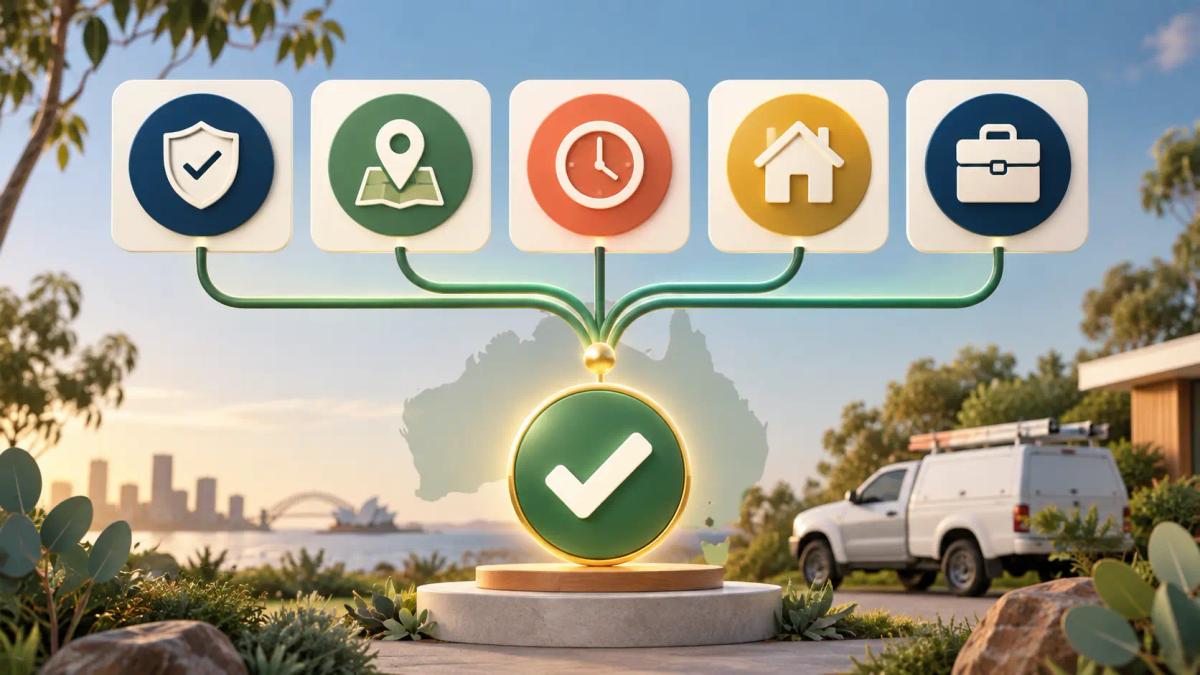
Lead qualification should be easy enough for an owner, office coordinator or technician to use on a busy day. You do not need complex scoring software to begin. Use a short checklist to decide whether an enquiry is a strong, possible or unsuitable fit, then record the result in your lead register or CRM.
1. Service fit
Does the enquiry match a service you actively provide and want to grow? A clear match might be a termite inspection, cockroach treatment, rodent control, recurring commercial service or a pre-purchase inspection. If you do not offer the requested work, a helpful response and referral may still protect your reputation, but it should not distort your marketing results.
2. Location and travel fit
Is the property in your normal service area, and can the work be completed without creating unnecessary travel or disrupting the day’s schedule? Map-based targeting and location questions in your enquiry form are simple ways to reduce mismatched requests before they reach the team.
3. Property and access fit
The property type changes the nature of the job. A freestanding home, restaurant, warehouse, strata complex and rental property may each involve different access arrangements, reporting needs or decision-makers. Capture enough detail to choose the right next conversation.
4. Urgency and customer intent
Some customers need immediate help; others are researching options. Neither is automatically better. The important point is knowing the difference so you can respond appropriately. An urgent problem needs a timely, clear answer about availability. A customer considering an annual programme may need information and a planned follow-up rather than a hard sell.
5. Commercial fit and likely job value
This is not about asking every customer for a budget before helping them. It is about recognising the likely scope of work, the probability of repeat service and whether the enquiry suits the business. Over time, you can compare this assessment with booked jobs and refine what a strong lead means in practice.
The goal is consistency, not perfection. When the team records the same core information for every enquiry, you can see which marketing sources bring the best-fit work instead of relying on memory or the number of calls received.
Make your website pre-qualify the right customers
Your website is one of the most useful lead-qualification tools you own. It works before someone calls, particularly for searches that happen after hours or while customers compare several local providers. The aim is not to create barriers. It is to give genuine prospects the information they need and to make your ideal services easy to request.
Make priority services specific
Avoid one broad “pest control services” page that expects every visitor to find their own answer. Give your major services their own clear pages. Explain the type of problem or customer the service is for, what the process normally involves, where you operate and how to request a booking or assessment.
For example, a commercial pest-management page should speak directly to commercial decision-makers. A termite inspection page should explain the inspection pathway, the kind of property it applies to and the next step. This helps customers self-select and makes search intent clearer.
State your service area honestly
Be clear about the locations you genuinely serve. If you cover a city, surrounding suburbs or a regional area, say so naturally. Do not build dozens of shallow pages with a suburb name swapped into the same copy. Useful service-area information, real local proof and clear booking expectations are far more helpful to a customer than a long list of nearly identical pages.
Ask useful questions on the enquiry form
A short form can gather the basics without feeling like an application. Consider service type, suburb or postcode, property type, preferred contact method and a short description of the issue. Make the phone number visible for customers who prefer to call, and do not make the form the only way to contact you.
Each question should have a purpose. If the team never uses the answer to schedule, quote or help the customer, remove it. The best form is not the longest one; it is the one that prepares the next conversation.
Choose channels that bring intent, not just attention
Different channels play different roles in pest control lead generation. The right mix depends on your service priorities, market, budget and operational capacity. Start with the channels where customers are actively looking for help, then build from there.
Local organic search and your Google Business Profile
When a customer searches for a nearby provider, accurate local information is essential. Keep your Google Business Profile current with correct business details, service information, operating hours, phone number, recent images and a reliable website link. Request genuine reviews as part of your normal completed-job process and respond professionally when appropriate.
Your website should support this visibility with accurate service pages, consistent business information and a mobile-friendly path to call or enquire. Do not rely only on the profile; customers often visit the website before deciding whether a business feels right for their situation.
Helpful service content and local SEO
Content works best when it answers a useful pre-purchase question. That may include what happens during an inspection, how recurring commercial service works, what information a property manager should prepare, or how customers can request an assessment. Keep information specific to the service you provide and have operational experts review claims that affect customer decisions.
This approach is also more resilient for AI-assisted search. Clear information, meaningful headings, original experience and accessible text help people and search systems understand the page. There is no value in repeating a keyword or publishing thin, generic articles just to create more pages.
Carefully targeted paid search
Paid search can be useful when you need to create demand for a priority service or reach an area where the business has capacity. Begin with a limited geographic area and a small group of high-intent searches. Match the ad to a relevant landing page; an ad about commercial pest management should not take visitors to a generic home page.
Review more than clicks. Check search terms, call quality, form completions, response time, booked inspections, accepted quotes and the profitability of completed work. If a campaign attracts low-fit enquiries, improve the keywords, ad wording, landing page or targeting before increasing the budget.
Referrals and local partnerships
Property managers, real estate professionals, builders, facilities managers and complementary trade businesses may create valuable referral opportunities when there is a genuine fit. Build those relationships through dependable service and a simple way for the partner to understand what you do, refer a client and receive an appropriate response. Referrals are most durable when they are based on customer experience, not pressure for volume.
Qualified channels only deliver their full value when the website, enquiry process and follow-up are connected. AIECOMSolutions can help build a joined-up growth system for pest control companies rather than treating advertising, SEO and operations as separate activities.
Respond quickly without making rushed promises
Many potentially good leads are lost after they contact a business, not before. A customer may be dealing with an urgent issue, comparing providers or trying to arrange access with a tenant or property manager. A prompt, organised response builds confidence even when you cannot offer an immediate appointment.
Set a simple lead-handling standard. Decide who owns new enquiries, the target time for a first human response and what happens if a customer does not answer. An automated acknowledgement can confirm that the message was received and set realistic expectations. It should not imply a booking or guarantee a response time that the team cannot meet.
For enquiries that need a quote or site assessment, record the next action and date. For work that is not suitable, respond politely and, where appropriate, offer a useful alternative. This keeps your data clean: a lead can be marked as booked, quoted, not suitable, outside area, no response or referred. Those outcomes are more useful than leaving everything as “new.”
Track the quality of leads, not only the quantity
One of the most common reporting mistakes is celebrating a rise in enquiries without checking what happened next. A campaign that produces 50 price-only calls may be less valuable than one that creates 12 enquiries that turn into inspections, recurring contracts or approved quotes.
Review a small group of practical measures each month:
- Enquiries by source, such as organic search, Google Business Profile, paid search, referral or direct traffic.
- Qualified leads by service type, location and customer type.
- Time to first human response.
- Booking, quote and quote-acceptance rate.
- Cost per qualified lead and cost per booked job for paid activity.
- Revenue, expected value or repeat-work potential where your records allow.
Use the results to make one informed improvement at a time. If commercial enquiries are high quality but slow to convert, check whether the information and follow-up process fits the decision-maker. If one service page attracts enquiries outside the service area, adjust the page copy and form question. If paid search produces good bookings in one region but not another, review travel time, competition and the message rather than assuming the channel has failed.
A 30-day starting plan for better pest control leads
You do not need to rebuild everything at once. Use the first month to create a solid lead-quality baseline.
Week 1: decide the target work
List your priority services, preferred customer types, genuine service areas and the kinds of requests that are not a fit. Share this with whoever answers calls, updates the website or runs marketing.
Week 2: improve the highest-value pages
Review priority service pages on a mobile phone. Make the service, service area, proof and next action obvious. Add only the form questions that help the team qualify or schedule the job.
Week 3: connect enquiries to a single process
Create a simple lead record in your CRM or shared system. Record source, service, location, customer type, status and next action. Set a clear owner for new leads.
Week 4: review what changed
Compare enquiries with the previous four weeks. Which source brought the most suitable requests? Where did the team lose time? What did customers keep asking before booking? Choose one priority improvement for the next month.
Better-fit leads create a better customer experience
Generating more qualified leads is not about turning away customers. It is about helping the right people reach the right service quickly, while giving every enquiry a clear and respectful next step. That improves the customer experience, protects technician time and gives your marketing budget a clearer purpose.
Start with an honest definition of your ideal work, a website that explains it well, channels matched to real customer intent and a reliable follow-up process. From there, lead generation becomes less about chasing every enquiry and more about building a business that is easy for the right customers to choose.
To create a practical system around your services, service area and lead flow, talk to AIECOMSolutions.
NEXT STEP
Ready to Work With a Team That Actually Delivers?
Book a free strategy call. No pitch. Just honest advice.