Growth Marketing
Local SEO for Electricians in Australia: How to Win More Service-Area Searches
27 October 2026
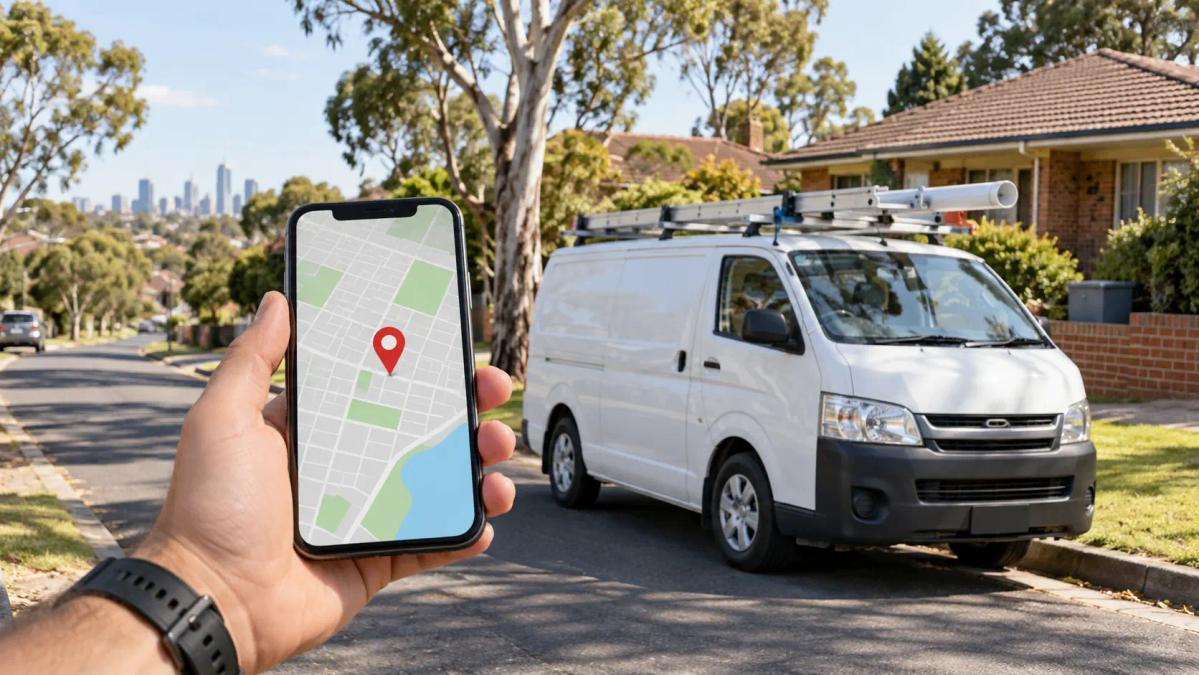
Local SEO for electricians connects your genuine service area, the electrical work you offer and credible evidence of your business to the searches customers actually make. It starts with accurate business information and useful service pages, supported by a website that makes contacting your team straightforward.
The problem is often a mismatch: your business wants lighting upgrades and commercial maintenance enquiries, but your website says little beyond “all electrical work”. A homeowner, builder or facilities manager should be able to recognise whether you handle their type of job without calling to clarify the basics.
AIECOM’s SEO & Marketing Services for Australian Electrical businesses bring those elements together. This guide explains how to organise your pages, locations, Google Business Profile and measurement around the work you genuinely want to attract.
1. Understand what local SEO for electricians needs to achieve
Effective electrical SEO should help suitable customers find your business, understand your services and take a relevant next step. More visibility is useful only when it connects with jobs your team can actually service.
Relevance, distance and prominence shape local results
Google describes its main local ranking factors as relevance, distance and prominence. Relevance concerns the match to a search, distance concerns proximity to the searcher, and prominence concerns how well known the business is, including signals such as links and reviews. Check: Google Business Profile Help
For an electrical business, this suggests three practical priorities:
- Explain the services you genuinely provide.
- Represent your business location and coverage accurately.
- Build credible evidence that helps people evaluate your business.
Trust is also a customer decision factor, rather than a separate replacement for Google’s ranking framework. A real project description can help someone judge your experience even when it does not produce a measurable ranking change.
Match searches to different buying situations
Different electrical searches deserve different information and contact options. Someone searching “electrician near me” for an urgent fault has a different immediate need from a builder organising electrical work for a refurbishment.
Group your priorities around situations such as:
- Urgent fault enquiries and call-out availability.
- Planned domestic lighting and other upgrades.
- Switchboard upgrade enquiries.
- EV charger installation enquiries.
- Commercial maintenance and project work.
Use these groups to decide which pages deserve attention first. Avoid making every service compete for space in one long homepage paragraph.
2. Build service pages around real customer questions
A useful service page explains what you offer, who it is for, where it is available and how an enquiry progresses. Its purpose is to help customers decide whether to contact you.
Give distinct services their own useful pages
Separate pages are worthwhile when the customer’s questions and enquiry process differ meaningfully. A commercial maintenance prospect may need information about site coordination, while a homeowner planning pendant lighting may mainly want to understand the quotation process.
Consider dedicated pages for your actual priorities:
- Fault finding: enquiry hours, contact options and the information your office requests.
- Lighting: the types of residential or commercial lighting work you accept.
- Switchboard upgrades: your enquiry and quotation process, with technical wording reviewed by a licensed electrician.
- EV charger installation: customer and property types you serve, with technical content reviewed by a licensed electrician.
- Commercial electrical services: maintenance, fit-out or project work your team genuinely undertakes.
Do not create a page simply because a keyword appears attractive. Confirm that your team wants the work and can explain its offer clearly.
Use a repeatable page structure
A consistent service-page structure makes information easier to maintain and compare. Start with a direct description, then answer the questions your office regularly receives.
A practical sequence is:
- Explain the service and intended customer.
- Describe the types of enquiries you accept.
- State the relevant service area.
- Explain how booking or quotation enquiries are handled.
- Show a genuine example or relevant photograph.
- Answer service-specific questions.
- Offer a clear contact action.
For a lighting page, explain whether customers can submit an existing project brief. For commercial work, identify whether your team accepts plans and who handles project enquiries.
Keep forms focused on enquiries
A website form should collect information for follow-up, without implying that it can assess an installation. Start with contact details, suburb, service category and a short description of the request.
For planned projects, optional fields might include property type, preferred timing and an existing brief. Explain what happens after submission, using a response expectation your office can consistently meet.
Avoid automatic suitability verdicts or technical conclusions based on a few form answers. Have a licensed electrician review any wording that discusses wiring, switchboards, EV charger installation, safety or compliance.
3. Publish service-area pages only when they add value
Service-area pages help when they explain something useful about working with your business in a particular location. Changing a suburb name across otherwise identical pages gives customers little reason to read them.
Start with your actual operating area
Your location strategy should reflect where your team accepts work and how coverage varies by service. A business might accept larger commercial projects across a wider region than its routine domestic call-outs.
Before writing location pages, confirm:
- Which areas you routinely service.
- Whether urgent and planned work have different coverage.
- Whether some locations are available by arrangement.
- Whether travel or scheduling arrangements need explanation.
- Who keeps coverage information current.
Be precise about being based in an area versus travelling there. Do not describe a suburb as an office location when you have no office there.
For businesses considering AIECOM’s support, the service areas we work across page provides information about our coverage.
Give each location page a reason to exist
A strong location page combines accurate coverage information with genuinely relevant evidence. That could include an authorised lighting project example, commercial maintenance experience or practical booking information specific to how you operate there.
Ask whether the page would still be useful if the location name disappeared. If its only distinctive element is the suburb heading, a broader regional page may serve customers better.
Google identifies substantially similar pages created to target related searches and funnel visitors elsewhere as a potential doorway-abuse pattern. It also identifies unnatural blocks of city and region names as keyword stuffing. Check developers.google.com
Connect service and location information naturally
Visitors should be able to move between what you do and where you do it. Link relevant service pages from a coverage page, and provide clear coverage information on individual service pages.
Keep the structure selective. A regional page describing your domestic lighting and commercial maintenance coverage does not need a separate page for every possible suburb-and-service combination.
4. Keep your Google Business Profile accurate
Your Google Business Profile should represent the business customers will actually deal with. Treat it as an operational listing that needs maintenance, rather than a one-off SEO task.
Use your real name and appropriate categories
Google’s guidelines require a business name that reflects its real-world identity and accurate address or service-area information. Choose categories that describe your actual core business, rather than adding unrelated categories to chase more searches. Check Google Business Profile Help
Check the following:
- Business name and primary phone number.
- Website destination.
- Relevant categories and service descriptions.
- Ordinary and special opening hours.
- Current photographs.
- Access for the people responsible for maintaining the profile.
Keep account access under business control so a staff or supplier change does not leave the listing unmanaged.
Set up service-area information correctly
Businesses that do not serve customers at their business address should remove that address from public display on their Business Profile and use service-area information. Google distinguishes these businesses from hybrid businesses that both receive customers and travel to them. Google Business Profile Help
Adding locations to your coverage should communicate where you work; do not treat it as a promise of visibility in every selected area. Distance remains part of Google’s local ranking framework.
A sensible Google Business Profile electrician setup starts with the actual operating model. Avoid inventing branches to make the business appear locally established in more places.
Keep availability claims realistic
Published hours and call-out language should match what your team can provide. If an after-hours enquiry goes to a message service, make the next step clear.
Do not publish “24/7 electrician” simply because a form accepts submissions at any hour. Review availability wording whenever staffing, phone coverage or the services you accept change.

5. Build trust with genuine reviews and project evidence
Reviews and project evidence help prospective customers understand the experience behind your service claims. Both should reflect real work and be presented with permission where needed.
Ask for honest feedback consistently
A review request should invite an honest account without steering the rating or wording. Use a consistent process rather than asking only customers you expect to leave positive feedback.
Google prohibits incentivised reviews and selectively soliciting positive reviews. Its policies also prohibit requests that pressure customers or require specific review content. Maps User Generated Content Policy Help
Keep requests simple and avoid asking customers to insert service keywords or suburb names. Respond professionally without exposing private job details.
Show what your business actually did
A short, factual project summary can demonstrate experience more clearly than a broad claim such as “trusted electrical experts”. Explain the customer’s brief, your role and the work completed, subject to technical review.
Useful examples could include:
- A residential lighting project, with approved finished-room photographs.
- A commercial refurbishment, with a clear description of your project role.
- A maintenance engagement, with an authorised explanation of its scope.
These are content ideas, not claimed client results. Only publish examples that your own records support.
Separate evidence from decoration
Photographs should illustrate the business honestly rather than imply experience you cannot substantiate. Label illustrative imagery appropriately and do not present stock photographs as completed jobs.
Before publishing project material, confirm permission and remove identifying details where necessary. Have a licensed electrician check technical captions, especially those involving switchboards, wiring or EV charger installations.
6. Make the website easy to use on a phone
The website should let a visitor understand the service and contact your team without unnecessary effort. Test it as someone making an electrical enquiry, rather than only reviewing its appearance on a desktop.
Check the path from landing page to contact
A mobile visitor should quickly find the service description, coverage and contact options. Large promotional banners, overlapping widgets and difficult forms can obstruct that path.
Test these tasks:
- Open a priority service page on a phone.
- Find the service area and enquiry hours.
- Tap the phone number.
- Submit a test enquiry.
- Confirm the enquiry reaches the correct person.
- Check the confirmation message explains what happens next.
A working call button is useful, but it does not replace reliable phone handling. Check both the website action and the office process behind it.
Address speed and indexing problems
Technical checks should identify obstacles that prevent people or search engines from accessing useful pages. Ask your website team to investigate slow loading, broken navigation and important pages unintentionally excluded from indexing.
Keep images appropriately sized and avoid unnecessary video on enquiry pages. Give each main page a descriptive title and make it reachable through normal site navigation.
If the structure makes essential information difficult to find, our website redesign for electrical businesses can support a clearer customer journey.
Keep business details consistent
Your website and business listings should identify the same real business and provide reliable contact information. Correct old phone numbers, outdated hours and conflicting coverage descriptions.
Where an address is publicly displayed, ensure it is accurate. Consistency does not mean publishing a private home address simply to repeat it across the internet.
7. Coordinate SEO with other growth activity
SEO, advertising and content should support the same services and operating priorities. A campaign for commercial maintenance should not send prospects to a page dominated by domestic call-out messaging.
Choose priorities around the work you want
Start with the intersection of customer demand, service capability and commercial priorities. Your office’s enquiry records can help identify recurring requests, unsuitable enquiries and questions that pages should answer.
For example, frequent enquiries outside your coverage may indicate unclear location information. Repeated questions about whether you handle builder-led lighting projects may justify clearer service copy.
Review these patterns before commissioning more pages. Additional content is most useful when it addresses an identified information gap.
Give each channel a clear role
Paid campaigns can support a selected offer, while service pages explain it and supporting content answers questions. Keep descriptions, coverage and contact expectations aligned across those channels.
AIECOM’s SEO, paid ads and content marketing support can help coordinate this work. Set priorities around suitable enquiries and operational capacity rather than treating every channel as a separate publishing exercise.
8. Measure enquiries alongside search visibility
Measurement should connect discovery with meaningful customer actions. Rankings and traffic alone cannot tell you whether the enquiries suit your electrical business.
Use Search Console to inspect discovery
Google Search Console reports website search impressions, clicks, queries and page performance. Use those views to examine how priority service pages appear in Google Search. Check Search Console Help
Group queries by themes such as lighting, commercial maintenance, fault finding and branded searches. Compare similar periods and look for patterns rather than reacting to an isolated movement.
A growing number of impressions without suitable enquiries is a reason to investigate. It is not, by itself, evidence that the SEO work is succeeding or failing.
Distinguish contact actions from completed enquiries
A phone-button click is an expression of intent, not proof that a conversation occurred. Google Business Profile’s calls metric counts clicks on its call button, while its website metric counts clicks through to the site. Check Google Business Profile Help
Track successful form submissions separately from form starts. Use office records to distinguish genuine requests from spam, repeat contacts and enquiries outside your service scope.
Where reports combine different traffic sources, avoid attributing every interaction to organic SEO.
Review enquiry quality with the office
A useful monthly review combines search data with what happened after contact. Record service requested, location, enquiry source where known and the next outcome.
Ask:
- Did the enquiry match a service we offer?
- Was the property within our coverage?
- Did someone respond?
- Did the enquiry progress to a quote or booking?
- What information was missing?
This makes electrical SEO a business improvement process rather than a report of disconnected numbers.
9. Avoid common local SEO mistakes
Common mistakes usually involve inaccurate promises, repetitive content or measurement that overstates results. Fixing these issues is often more useful than adding another batch of pages.
Creating pages without a distinct purpose
Near-identical suburb pages create maintenance work without necessarily helping customers. Consolidate them where a clear regional page would answer the same questions more effectively.
Do not force “electrician near me” into every heading. Write descriptions that sound natural and explain the actual service.
Publishing unsupported claims
Availability, project experience and service coverage should be supported by the business’s records and operating arrangements. Remove statements such as “always available” or “all areas covered” when they are not consistently true.
Apply the same discipline to technical language. Check your state or territory requirements, and have a licensed electrician review electrical claims before publication.
Buying visibility without fixing enquiry handling
More visitors will not resolve unanswered calls, broken forms or unclear follow-up responsibilities. Check the enquiry process before increasing publishing or campaign activity.
Avoid judging an electrician SEO Australia campaign only by traffic totals. Review whether it is helping the right customers reach a team that can respond.
10. What good looks like
Good local SEO gives customers a consistent, credible picture of your electrical business from search result to enquiry. Your services, coverage, evidence and contact process should agree.
A practical starting sequence is:
- Confirm priority services and actual coverage.
- Correct the Business Profile and contact details.
- Improve the most important service pages.
- Publish location pages only where they add value.
- Add authorised project evidence and an honest review process.
- Test mobile enquiries and review outcomes regularly.
The objective is a clearer route to suitable work, with enough measurement to identify what needs improvement. No page structure or profile setting can guarantee rankings, leads or revenue.
Ready to see where your electrical lead flow is breaking down? request an electrical SEO review with AIECOM Solutions.
11. Frequently asked questions
The following answers address common decisions about local visibility, coverage and performance.
Does every suburb need its own electrical service page?
No, every suburb does not need a separate page. Create one only when you can provide genuinely useful location-specific information, such as distinct coverage arrangements or an authorised local project example. If pages would differ mainly by suburb name, a stronger regional page is usually a more practical starting point. Organise the site around customer needs and actual service delivery.
Can an electrician appear locally without displaying a home address?
An electrician operating as a service-area business can use a Google Business Profile without displaying a home address publicly. Google says businesses that do not serve customers at their address should remove it from public display and provide service-area information. The profile still needs to represent the real business accurately; hidden-address status does not guarantee visibility across every area served.
How long does local SEO take to generate enquiries?
There is no reliable universal timeframe for generating enquiries from local SEO. Outcomes depend on your starting position, competition, website condition, services and local demand. Set review points around completed work and observable changes in relevant searches, visits and qualified enquiries. Avoid treating a promised deadline for rankings or leads as evidence that a plan is sound.
What should an electrical business measure first?
Start with relevant search visibility, genuine enquiries and how those enquiries progress. Search Console helps explain website discovery, while form records and phone handling records help explain customer contact. Keep call-button clicks separate from answered calls and bookings. Then review service type and location so you can identify whether the activity supports the work your team wants.
NEXT STEP
Ready to Work With a Team That Actually Delivers?
Book a free strategy call. No pitch. Just honest advice.